Our Location
Hubei China

Hubei China

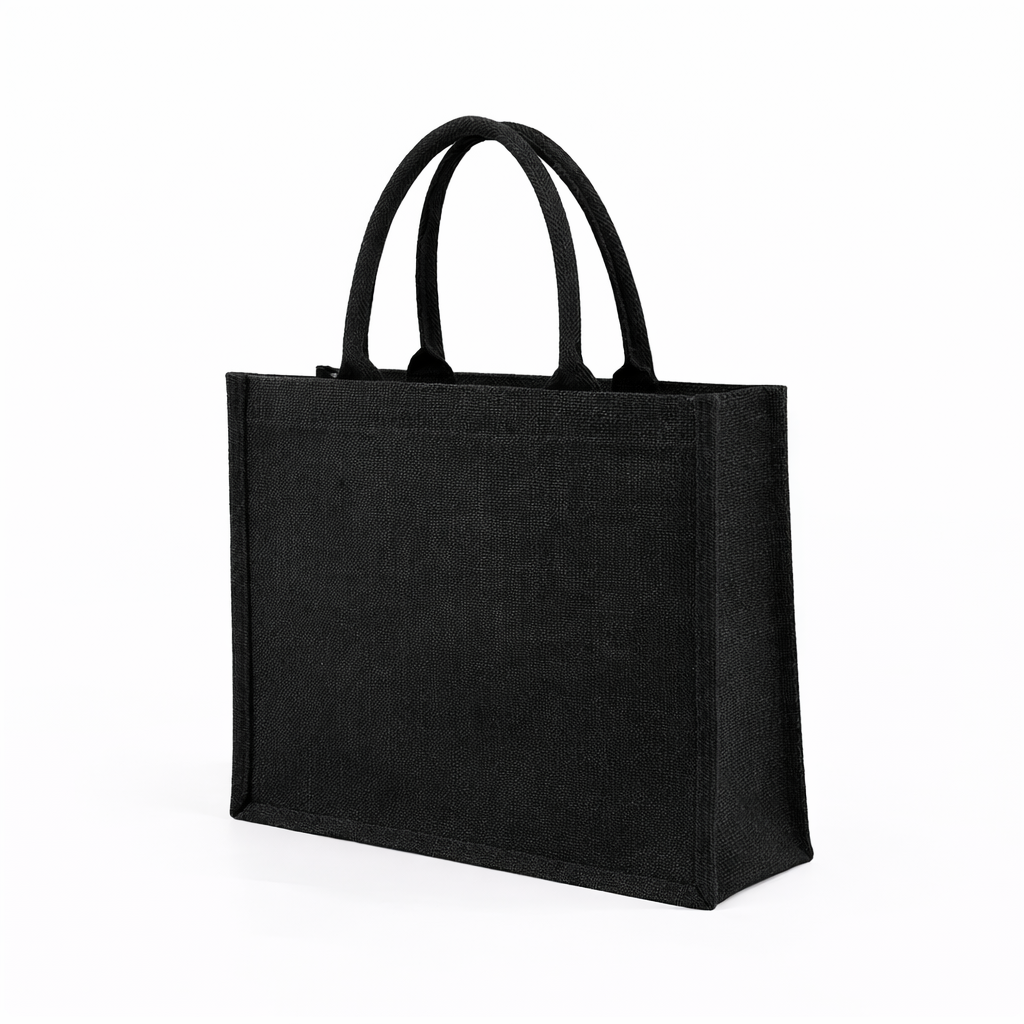
A clear sourcing guide on jute sack vs jute bag, ideal sizes, and practical thickness (GSM) selection for different markets.
As sustainability regulations tighten and consumers demand eco-friendly alternatives, jute bags have become a core packaging and carrying solution across agriculture, retail, and lifestyle markets. Yet many buyers still ask: Which jute product is right for my market?
This guide breaks down types, thickness, sizes, and market fit—so importers, wholesalers, and brand owners can source with confidence.
Jute sacks are industrial-grade products designed for bulk transport and storage—think grains, coffee beans, cocoa, potatoes, onions, and also sandbags and concrete curing covers. They are made from coarse, thick jute sacking fabric with a breathable weave, often built for 50–100 kg loads.
Jute bags are consumer-facing products designed for daily use and branding. They typically use finer Hessian jute for better printability and comfort, often with improved handles and optional lining.
Thickness—often measured in GSM—directly affects durability, unit cost, and shipping weight. The right choice depends on how the end user will carry and reuse the bag.
| Thickness | Recommended Use |
|---|---|
| 250–280 GSM | Light retail, giveaways, promotions |
| 300–320 GSM | Daily shopping, books, repeated use |
| 330–350 GSM | Premium retail, wine bags, higher perceived value |
| Heavy sacking fabric | Agriculture & construction bulk transport |
Buyer tip: Over-specifying GSM increases cost and shipping weight. Match thickness to real usage, not assumptions.
Start with our Wholesale Jute Bags Guide to compare recommended options, then browse specific products below.
Browse Wholesale Jute Bag Collection →Not exactly. Jute sacks are heavy-duty for bulk transport, while jute bags are refined for retail, branding, and daily use.
For most retail use, 300–330 GSM offers a strong balance of durability and cost. Premium positioning may use 330–350 GSM.
Medium (~38 × 40 × 14 cm) is often the best seller for daily shopping and carrying books or light groceries.
Compare recommended sizes and GSM options by market, then request pricing with confidence.
